Thursday, September 28, 2017

NEW BACK PAIN GUIDELINES



NEW BACK PAIN GUIDELINES
Image result for NEW BACK PAIN GUIDELINES

New guidelines from the American College of Physicians (ACP) were just published this year in the Annals of Internal Medicine.
The ACP made the following strong recommendations:
  • For patients with acute or subacute low back pain, first-line therapy should include nondrug therapy, such as superficial heat, massage, acupuncture, or spinal manipulation. If nondrug therapy doesn’t relieve the pain, consider NSAIDs or skeletal muscle relaxants.
  • For chronic low back pain, consider nondrug therapy, such as exercise, multidisciplinary rehabilitation, acupuncture, mindfulness-based stress reduction, tai chi, yoga, motor control exercise, progressive relaxation, electromyography biofeedback, low-level laser therapy, operant therapy, cognitive-behavioral therapy, or spinal manipulation.
  • For chronic low back pain that does not respond to nondrug therapy, consider NSAIDs next. For second-line, consider tramadol or duloxetine. Consider opioids only in patients in whom first- and second-line therapy has failed, in whom the risk outweigh the benefits, and only after full discussion of the potential risks and benefits.

Chiropractic spinal manipulation (adjustment) is the non-pharmacological therapy of choice for many patients for all three phases of back pain acute, subacute, and chronic.  


Disclaimer


Material on this blog is provided for informational purposes only. It is general information that may not apply to you as an individual, and is not a substitute for your own doctor’s medical care or advice.

Reading this blog should not  be construed to mean that you and I have a patient-physician relationship. 
The inclusion of any link does not imply my endorsement of the linked site or its affiliates, 
NEVER DISREGARD MEDICAL ADVICE OR DELAY SEEKING MEDICAL CARE BECAUSE OF SOMETHING YOU HAVE READ ON OR ACCESSED THROUGH THIS WEB SITE.

Thursday, August 17, 2017

Back and Core Exercises That Heal Not Harm


Image result for stuart mcgill core


STOP DOING SIT-UPS! STOP DOING CRUNCHES!

They don't work and can do more harm than good over the long run.

What to do instead? 


Dr. Stuart McGill, professor of spine biomechanics at the University of Waterloo in Canada, demonstrates a core exercise program that emphasizes all the major muscles that support the spine. Watch this video to learn spine sparing exercises that protect and strengthen the back including “safe modified sit-ups”, “stir the pot”, “side planks” and “bird dog”.

You can view them here:


Disclaimer


Material on this blog is provided for informational purposes only. It is general information that may not apply to you as an individual, and is not a substitute for your own doctor’s medical care or advice.
Reading this blog should not  be construed to mean that you and I have a patient-physician relationship. 
The inclusion of any link does not imply my endorsement of the linked site or its affiliates, 
NEVER DISREGARD MEDICAL ADVICE OR DELAY SEEKING MEDICAL CARE BECAUSE OF SOMETHING YOU HAVE READ ON OR ACCESSED THROUGH THIS WEB SITE.

Tuesday, August 1, 2017

Diet To Prevent Dementia?

Image result for Mediterranean Diet

Can diet help keep your mind sharp and young as you age? Recent studies suggest that it can! It seems a good diet for your heart and joints is also good for your mind. Here are some findings:

Mediterranean Diet:
People who adhere to a Mediterranean diet have lower rates of Alzheimer disease and Parkinson disease.


The Mediterranean diet emphasizes:

  • Eating primarily plant-based foods, such as fruits and vegetables, whole grains, legumes and nuts
  • Replacing butter with healthy fats such as olive oil and canola oil
  • Using herbs and spices instead of salt to flavor foods
  • Limiting red meat to no more than a few times a month
  • Eating fish and poultry at least twice a week
  • Enjoying meals with family and friends
  • Drinking red wine in moderation (optional)
  • Getting plenty of exercise
  • Green leafy vegetables (like spinach and salad greens): At least 6 servings a week
  • Other vegetables: At least one a day
  • Nuts: 5 servings a week
  • Berries: 2 or more servings a week
  • Beans: At least 3 servings a week
  • Whole grains: 3 or more servings a day
  • Fish: Once a week
  • Poultry (like chicken or turkey): Two times a week
  • Olive oil: Use it as your main cooking oil.
  • Wine: One glass a day
  • Red meat: Less than 4 servings a week
  • Butter and margarine: Less than a tablespoon daily
  • Cheese: Less than one serving a week
  • Pastries and sweets: Less than 5 servings a week
  • Fried or fast food: Less than one serving a week


MIND Diet:
Older people who followed the MIND diet showed less decline in memory and mental speed, and were less likely to have developed Alzheimer disease at 4.5-year follow-up.


Source: http://www.todaysgeriatricmedicine.com/archive/0715p10.shtml

Bon Apetit!


http://www.medscape.com/viewarticle/869379?nlid=109612_764&src=WNL_mdplsfeat_161004_mscpedit_imed&uac=18894MK&spon=18&impID=1209092&faf=1


Disclaimer


Material on this blog is provided for informational purposes only. It is general information that may not apply to you as an individual, and is not a substitute for your own doctor’s medical care or advice.
Reading this blog should not  be construed to mean that you and I have a patient-physician relationship. 
The inclusion of any link does not imply my endorsement of the linked site or its affiliates, 
NEVER DISREGARD MEDICAL ADVICE OR DELAY SEEKING MEDICAL CARE BECAUSE OF SOMETHING YOU HAVE READ ON OR ACCESSED THROUGH THIS WEB SITE.

Monday, July 31, 2017

What Conditions Can Chiropractic Care Help?


You probably know that chiropractic care can help with back pain, headaches and neck pain. Well, you are right! Yo may not know that chiropractic care can help with numerous other problems. Research supports that chiropractic care may also improve the following (see references below):

Ulcers (1)
Athletic/sport performance (2)
Asthma (3-5)
Pulmonary function (6)
Immune function (7, 8)
Chronic pain (9)
Cost-effectiveness (10-13)
Crohn's disease (14)
Whiplash (15-17)
Injuries/Soft Tissue Disorders (18)
Workers compensation injuries (11, 19)
Colic (20)
Ear infections (otitis media) (21)
Vision (22-26) 


These are only a few of the studies that relate to things other than what people normally think of for chiropractic. This is in addition to alot of research on the effectiveness of chiropractic care helping  back pain (9, 10, 27-36), neck pain (37-41) and headaches (41-44).

Chiropractic care is not about specifically treating any of the above conditions. Chiropractic care improves the functioning of the body and allows it to restore it's health.

Chiropractic uses the spinal adjustment to influence the biomechanics and function of your spine and allow better function to result. In many cases, various disorders can be traced back to the spine, particularly where there are nerves enter/exit the spine. This is one of the reasons why chiropractic can help with such seemingly diverse problems.


References

1. Pikalov AA, Kharin VV. Use of Spinal Manipulative Therapy in the Treatment of Duodenal-Ulcer - a Pilot-Study. J Manip Physiol Ther 1994;17(5):310-313.

2. Schwartzbauer J, Kolber J, Schwartzbauer M, Hart J, Zhang J. Athletic performance and physiological measures in baseball players following upper cervical chiropractic care: a pilot study. Journal of Vertebral Subluxation Research 1997;1(4):1-7.

3. Bronfort G, Evans RL, Kubic P, Filkin P. Chronic pediatric asthma and chiropractic spinal manipulation: A prospective clinical series and randomized clinical pilot study. J Manip Physiol Ther 2001;24(6):369-377.

4. Balon J, Aker PD, Crowther ER, Danielson C, Cox PG, O'Shaughnessy D, et al. A comparison of active and simulated chiropractic manipulation as adjunctive treatment for childhood asthma. N Engl J Med 1998;339(15):1013-1020.

5. Nielsen NH, Bronfort G, Bendix T, Madsen F, Weeke B. Chronic Asthma and Chiropractic Spinal Manipulation - a Randomized Clinical-Trial. Clin Exp Allergy 1995;25(1):80-88.

6. Kessinger R. Changes in pulmonary function associated with upper cervical specific chiropractic care. Journal of Vertebral Subluxation Research 1997;1(3):1-7.

7. Brennan PC, Kokjohn K, Kaltinger CJ, Lohr GE, Glendening C, Hondras MA, et al. Enhanced Phagocytic Cell Respiratory Burst Induced by Spinal Manipulation - Potential Role of Substance-P. J Manip Physiol Ther 1991;14(7):399-408.

8. Brennan PC, Triano JJ, McGregor M, Kokjohn K, Hondras MA, Brennan DC. Enhanced Neutrophil Respiratory Burst as a Biological Marker for Manipulation Forces - Duration of the Effect and Association with Substance-P and Tumor-Necrosis-Factor. J Manip Physiol Ther 1992;15(2):83-89.

9. Giles LGF, Muller R. Chronic spinal pain - A randomized clinical trial comparing medication, acupuncture, and spinal manipulation. Spine 2003;28(14):1490-1502.

10. Meade TW, Dyer S, Browne W, Frank AO. Randomized Comparison of Chiropractic and Hospital Outpatient Management for Low-Back-Pain - Results from Extended Follow-Up. Br Med J 1995;311(7001):349-351.

11. Manga P. Economic case for the integration of chiropractic services into the health care system. J Manip Physiol Ther 2000;23(2):118-122.

12. Smith M, Stano M. Costs and recurrences of chiropractic and medical episodes of low-back care. J Manip Physiol Ther 1997;20(1):5-12.

13. Stano M, Smith M. Chiropractic and medical costs of low back care. Med Care 1996;34(3):191-204.

14. Takeda Y, Arai S, Touichi H. Long term remission and alleviation of symptoms in allergy and crohn's disease patients following spinal adjustment for reduction of vertebral subluxations. Journal of Vertebral Subluxation Research 2003;4(4):1.

15. Davis C. Chronic pain/dysfunction in whiplash-associated disorders. J Manip Physiol Ther 2001;24(1):44-51.

16. Khan S, Cook J, Gargan M, Bannister G. A symptomatic classification of whiplash injury and the implications for treatment. Journal of Orthopaedic Medicine 1999;21(1):22-25.

17. Woodward MN, Cook JCH, Gargan MF, Bannister GC. Chiropractic treatment of chronic 'whiplash' injuries. Injury-Int J Care Inj 1996;27(9):643-645.

18. Crawford JP. Chiropractic intervention in the treatment of joint and soft tissue disorders. Can J Appl Physiol-Rev Can Physiol Appl 1999;24(3):279-289.

19. Jay TC, Jones SL, Coe N, Breen AC. A chiropractic service arrangement for musculoskeletal complaints in industry: a pilot study. Occup Med-Oxf 1998;48(6):389-395.

20. Wiberg JMM, Nordsteen J, Nilsson N. The short-term effect of spinal manipulation in the treatment of infantile colic: A randomized controlled clinical trial with a blinded observer. J Manip Physiol Ther 1999;22(8):517-522.

21. Fallon. The Role of the Chiropractic Adjustment in the Care and Treatment of 332 Children with Otitis Media. Journal of Clinical Chiropractic Pediatrics 1997.

22. Bilton D, Stephens D, Gorman F. Tunnel vision information: A paradox of ethics, economics, politics and science. J Manip Physiol Ther 1998;21(7):468-478.

23. Gorman RF. The Treatment of Presumptive Optic-Nerve Ischemia by Spinal Manipulation. J Manip Physiol Ther 1995;18(3):172-177.

24. Stephens D, Gorman F, Bilton D. The step phenomenon in the recovery of vision with spinal manipulation: A report on two 13-year-olds treated together. J Manip Physiol Ther 1997;20(9):628-633.

25. Stephens D, Pollard H, Bilton D, Thomson P, Gorman F. Bilateral simultaneous optic nerve dysfunction after pariorbital trauma: Recovery of vision in association with chiropractic spinal manipulation therapy. J Manip Physiol Ther 1999;22(9):615-621.

26. Wingfield BR, Gorman RF. Treatment of severe glaucomatous visual field deficit by chiropractic spinal manipulative therapy: A prospective case study and discussion. J Manip Physiol Ther 2000;23(6):428-434.

27. Meade TW, Dyer S, Browne W, Townsend J, Frank AO. Low-Back-Pain of Mechanical Origin - Randomized Comparison of Chiropractic and Hospital Outpatient Treatment. Br Med J 1990;300(6737):1431-1437.

28. Breen A, Breen R. Back pain and satisfaction with chiropractic treatment: What role does the physical outcome play? Clin J Pain 2003;19(4):263-268.

29. Harvey E, Burton AK, Moffett JK, Breen A. Spinal manipulation for low-back pain: a treatment package agreed by the UK chiropractic, osteopathy and physiotherapy professional associations. Man Ther 2003;8(1):46-51.

30. Hayden JA, Mior SA, Verhoef MJ. Evaluation of chiropractic management of pediatric patients with low back pain: A prospective cohort study. J Manip Physiol Ther 2003;26(1):1-8.

31. Hurwitz EL, Morgenstern H, Harber P, Kominski GF, Belin TR, Yu F, et al. A randomized trial of medical care with and without physical therapy and chiropractic care with and without physical modalities for patients with low back pain: 6-month follow-up outcomes from the UCLA low back pain study. Spine 2002;27(20):2193-2204.

32. Hsieh CYJ, Adams AH, Tobis J, Hong CZ, Danielson C, Platt K, et al. Effectiveness of four conservative treatments for subacute low back pain - A randomized clinical trial. Spine 2002;27(11):1142-1148.

33. Dishman JD, Cunningham BM, Burke J. Comparison of tibial nerve H-reflex excitability after cervical and lumbar spine manipulation. J Manip Physiol Ther 2002;25(5):318-325.

34. McMorland G, Suter E. Chiropractic management of mechanical neck and low-back pain: A retrospective, outcome-based analysis. J Manip Physiol Ther 2000;23(5):307-311.

35. Blokland MP, Bolton JE, Gration J. Chiropractic treatment in workers with musculoskeletal complaints. JNMS-J Neuromusculosketal Syst 2000;8(1):17-23.

36. Nyiendo J, Haas M, Goodwin P. Patient characteristics, practice activities, and one-month outcomes for chronic, recurrent low back pain treated by chiropractors and family medicine physicians: A practice-based feasibility study. J Manip Physiol Ther 2000;23(4):239-245.

37. Evans R, Bronfort G, Bittell S, Anderson AV. A pilot study for a randomized clinical trial assessing chiropractic care, medical care, and self-care education for acute and subacute neck pain patients. J Manip Physiol Ther 2003;26(7):403-411.

38. Bronfort G, Evans R, Nelson B, Aker PD, Goldsmith CH, Vernon H. A randomized clinical trial of exercise and spinal manipulation for patients with chronic neck pain. Spine 2001;26(7):788-797.

39. Jordan A, Bendix T, Nielsen H, Hansen FR, Host D, Winkel A. Intensive training, physiotherapy, or manipulation for patients with chronic neck pain - A prospective, single-blinded, randomized clinical trial. Spine 1998;23(3):311-318.

40. Rogers RG. The effects of spinal manipulation on cervical kinesthesia in patients with chronic neck pain: A pilot study. J Manip Physiol Ther 1997;20(2):80-85.

41. Hurwitz EL, Aker PD, Adams AH, Meeker WC, Shekelle PG. Manipulation and mobilization of the cervical spine - A systematic review of the literature. Spine 1996;21(15):1746-1759.

42. Tuchin PJ, Pollard H, Bonello R. A randomized controlled trial of chiropractic spinal manipulative therapy for migraine. J Manip Physiol Ther 2000;23(2):91-95.

43. Nelson CF, Bronfort G, Evans R, Boline P, Goldsmith C, Anderson AV. The efficacy of spinal manipulation, amitriptyline and the combination of both therapies for the prophylaxis of migraine headache. J Manip Physiol Ther 1998;21(8):511-519.

44. Vernon HT. The effectiveness of chiropractic manipulation in the treatment of headache: An exploration in the literature. J Manip Physiol Ther 1995;18(9):611-617.


Disclaimer


Material on this blog is provided for informational purposes only. It is general information that may not apply to you as an individual, and is not a substitute for your own doctor’s medical care or advice.
Reading this blog should not  be construed to mean that you and I have a patient-physician relationship. 
The inclusion of any link does not imply my endorsement of the linked site or its affiliates, 
NEVER DISREGARD MEDICAL ADVICE OR DELAY SEEKING MEDICAL CARE BECAUSE OF SOMETHING YOU HAVE READ ON OR ACCESSED THROUGH THIS WEB SITE.

Sunday, July 30, 2017

Lessons For A Long and Happy Life


Shigeaki Hinohara

Dr. Shigeaki Hinohara is a newly found idol of mine. He passed away this month at age 105, still working up to 18 hours a day seeing patients. After reading a couple of articles and interviews with him, he had some of the following gems in regard to living a long and fulfilling life:

Energy comes from feeling good, not from eating well or sleeping a lot. 

Don't be overweight.

Have plans and projects well into the future - years into the future.

Don't retire, or if you must do it later than 65.

Share what you know and contribute to help others.

Carry your own things, and take the stairs, not the elevator.

The best way to handle pain is to have fum.

It takes more than science to heal and cure, it takes art and relationships.

Don't be crazy trying to amass material things and more stuff.

When a doctor recommends you take a test or have some surgery, ask whether the doctor would suggest that his or her spouse or children go through such a procedure.


http://www.businessinsider.com/doctor-who-studied-longevity-dont-retire-2017-7?utm_content=buffer89c0d&utm_medium=social&utm_source=facebook.com&utm_campaign=buffer-ti

http://www.japantimes.co.jp/life/2009/01/29/people/authorphysician-shigeaki-hinohara/#.WXtFLhXyuUl

Disclaimer


Material on this blog is provided for informational purposes only. It is general information that may not apply to you as an individual, and is not a substitute for your own doctor’s medical care or advice.
Reading this blog should not  be construed to mean that you and I have a patient-physician relationship. 
The inclusion of any link does not imply my endorsement of the linked site or its affiliates, 
NEVER DISREGARD MEDICAL ADVICE OR DELAY SEEKING MEDICAL CARE BECAUSE OF SOMETHING YOU HAVE READ ON OR ACCESSED THROUGH THIS WEB SITE.

Saturday, July 29, 2017

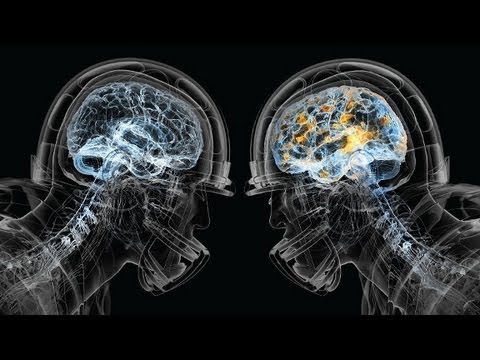
99% of Former NFL Football Players Shown to Have Chronic Traumatic Encephalopathy

Image result for football concussion


The research is showing a strong association of football players and chronic traumatic encephalopathy (CTE), the condition that results from multiple head concussions. Autopsy studies of former players brains revealed evidence of CTE at all levels of play, worse in the college and professional athletes.


87% of all the brains studied, and 99% of those of former NFL players had CTE.  


This is a real problem that needs to be addressed at all levels - high school, college, professional, etc.


https://www.washingtonpost.com/sports/the-latest-brain-study-examined-111-former-nfl-players-only-one-didnt-have-cte/2017/07/25/835b49e4-70bc-11e7-8839-ec48ec4cae25_story.html?utm_term=.caebe56708e2


Disclaimer

Material on this blog is provided for informational purposes only. It is general information that may not apply to you as an individual, and is not a substitute for your own doctor’s medical care or advice.


Reading this blog should not  be construed to mean that you and I have a patient-physician relationship. 

The inclusion of any link does not imply my endorsement of the linked site or its affiliates, 

NEVER DISREGARD MEDICAL ADVICE OR DELAY SEEKING MEDICAL CARE BECAUSE OF SOMETHING YOU HAVE READ ON OR ACCESSED THROUGH THIS WEB SITE.
Friday, July 28, 2017

Spinal Health and Quality of Life

Image result for spinal health mobility senior
The stronger and more mobile your back and spine is in your 60's and 70's, the greater quality of life you will experience according to a new study out of Japan. Greater back muscle strength standing, better spinal alignment, and more spinal flexibility in a group of men who's average age was 70 was shown to go along with a higher quality of life in physical and mental measures.

Improving spinal alignment, mobility, and strength is exactly what we do in our Chiropractic office. Those who are consistent with their spinal health and wellness care can look forward to the best chances for a better quality of life as they age! 


https://www.ncbi.nlm.nih.gov/pmc/articles/PMC3099149/

Disclaimer

Material on this blog is provided for informational purposes only. It is general information that may not apply to you as an individual, and is not a substitute for your own doctor’s medical care or advice.


Reading this blog should not  be construed to mean that you and I have a patient-physician relationship. 

The inclusion of any link does not imply my endorsement of the linked site or its affiliates, 

NEVER DISREGARD MEDICAL ADVICE OR DELAY SEEKING MEDICAL CARE BECAUSE OF SOMETHING YOU HAVE READ ON OR ACCESSED THROUGH THIS WEB SITE.