Tuesday, August 12, 2014

SUNSCREEN: BEST TO USE LOTIONS NOT SPRAYS

 At this time it's best to use sunscreen lotions rather than sprays. The FDA is still investigating the safety of inhaling the chemicals in sunscreen sprays. Also, sprays may not be as effective for UV protection.

It's best to avoid sunscreens containing the chemicals oxybenzone and retinyl palminate. Use a sunscreen with a minimum of SPF 15 and a maximum of SPF 50, and make sure labels list UVA and UVB (or broad spectrum protection).

Remember to apply at least 2 ounces of lotion (about a shot glass full) and reapply often.

AND, remember that the best protection from the sun is not letting it's rays touch the skin. Hats, clothing, umbrellas, tents, and shades limit sun exposure beyond what's needed for a good dose of Vitamin D and a nice tan!


http://www.medpagetoday.com/MeetingCoverage/AAD/47165?xid=nl_mpt_DHE_2014-08-12&utm_content&utm_medium=email&utm_campaign=DailyHeadlines&utm_source=ST&eun=g485087d0r&userid=485087&email=graberdc%40aol.com&mu_id=5581278&utm_term=Daily

Monday, August 11, 2014

EXERCISE FOR FAT LOSS - Part 1

If you were to ask most people who exercise why they do it, the number one answer would have something to do with weight. Taking weight off or keeping it off. The weight we're talking about is fat.

One easy way to maximize fat loss from exercise is by fasting before you exercise. After not eating for at least 8 hours, and preferably over 12,  before doing a cardio workout, more  fat is burned. 15-40 minutes of exercise is enough.
For fat loss, try to keep your intensity such that you can maintain a conversation with someone at a "conversational pace". By the numbers, that would be your target heart rate (THR), or about 60-70% of your maximum heart rate (MHR). To figure that, use this formula:

220- your age = MHR

Brisk walking, gardening, easy pace running or biking, swimming, etc. are all good for this. Working out at too hard an intensity, interval training, or weight training after fasting is often too stressful and can work against you.

Fasting means you can drink plenty of water before and during your exercise. If you want you can have some black coffee, unsweetened tea or other sugar free beverage. This type of workout is perfect to do first thing in the morning or before breakfast (break - fast).


Tuesday, April 1, 2014

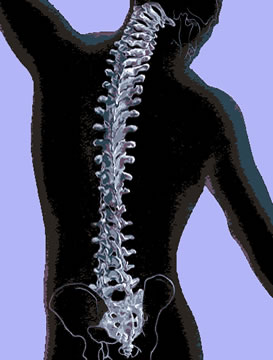
PROTECT YOUR SPINE AS YOU AGE: A NEW STUDY SUGGESTS CHIROPRACTIC CARE CAN HELP

The older you get, the harder it is to do things that you once did without thought. Activities such as cleaning the house, getting groceries, and running errands become more difficult, taking more time and energy than in the past. However, a recent study suggests that engaging in regular chiropractic care can reverse those effects and make daily living easier and more pleasurable.

A study published this month in the Journal of Manipulative and Physiological Therapeutics used survey data compiled by the Centers for Medicare and Medicaid Services and found that older adults who sought chiropractic care for back conditions had their back protected from any reduction in their ability to take care of their everyday life. People who went to the Chiropractor care on a regular basis reported better health, less disability, and a greater ability to do their everyday activities than those who had medical care only.


What this Means for You:
 If you engage in regular chiropractic care, you'll have a greater ability to handle your daily chores, and you’ll also be able to participate in activities that you enjoy – from walking to golf to  gardening to traveling.


References:
Weigal, et al. The comparative effect of episodes of chiropractic and medical treatment on the health of older adults. Journal of Manipulative and Physiological Therapeutics 2014; pii: S0161-4754(14)00032-3. doi: 10.1016/j.jmpt.2013.12.009.

Friday, March 7, 2014

OVER THE COUNTER DRUGS NOT EFFECTIVE FOR CHRONIC PAIN

Drugs such as aspirin, ibuprofen (Motrin & Advil), morphine, have not been shown to ease chronic pain, which afflicts an estimated 100 million Americans according to a recent issue of the Journal of the American Academy of Orthopaedic Surgeons (JAAOS). Stronger medications have been shown to be more effective in managing chronic pain, but these have serious negative side effects and the potential for addiction. Safe non-drug options are a better choice for many with joint, back, neck, and muscle chronic pain conditions.

Chiropractic care in our office can help many people suffering from chronic pain live a better life and get off the drugs they depend on to get through the day.


http://www.amc.edu/PR/PressRelease/02_25_14_C.html
 

Wednesday, January 29, 2014

SITTING CAN BE HAZARDOUS TO YOUR HEALTH!


People who spend hours each day without getting up and moving around are at greater their risk for chronic health problems, such as back pain, obesity, heart disease, and cancer. Sitting is now considered a risk factor for poor health, as significant as smoking! Strangely enough, spending a few hours a week at the gym or otherwise engaged in activity doesn't seem to significantly offset the risk. Even if you exercise regularly, sitting for hours a day is still harmful to your health. 

The theory is that prolonged sitting can be harmful to your health because of the lack of muscle contractions and subsequent body movement. Muscle contractions help to stimulate blood flow and remove toxins from the body via the lymphatic system,the filtering system in our bodies. Muscle contractions are important to help clear fat (triglycerides) and glucose from our bloodstream. 

How do stop your chair from becoming a lethal weapon? I suggest the following:

1. Sit Right:  Set up your desk or work station to be ergonomically correct. See the diagram below:

Photo: For those of you who sit at a desk all day, here is a simple picture that may prevent lots of pain for you! 

2. Get Up and Walk Frequently: Every half-hour to an hour get up and walk a minute. Better yet, walk, stretch, do a couple of squats, push-ups, etc. The body isn't designed to stay in one position for hours at a time. The best posture is one that changes and moves continuously.

3. Stand More: 
  • Stand while talking on the phone or eating lunch.
  • If you work at a desk for long periods of time, try a standing desk — or improvise with a high table or counter.
  • Walk laps with your colleagues rather than gathering in a conference room for meetings.
  • When you get together with your friends have it involve activity, not just "sitting around" or watching TV.
4.  Use "Active Sitting"
  • Sit on a stability ball.
  • Use a moveable chair.
Sit less, move more, be healthy!

Monday, January 20, 2014

What A Woman Eats Can Reduce Her Risk of Breast Cancer By Up To 75%


If you're a woman who wants to help prevent breast cancer there's something simple you can do with your fork and knife; eat alot of plants.

In a 2013 study of Iranian women ages 30-65, consuming the following was shown to reduce breast cancer risk by up to 75%:

Vegetables

Fruits

Low-fat dairy products

Legumes

Olive and vegetable oils

Fish

Condiments

Organ meat

Poultry

Pickles

Soy

Whole grains


The study also found an increased risk of breast cancer was found in women consuming soft drinks, sugars, tea and coffee, French fries and potato chips, salt, sweets and desserts, hydrogenated fats, nuts, industrial juice, refined grains, and red and processed meat.

 http://www.ncbi.nlm.nih.gov/pubmed/23651876/


In another study of retired California female teachers over 14 years found that only those on a plant-based diet had a 15 percent reduced risk of breast cancer compared with those who did not include abundant fruits and vegetables in their diets.

 http://ajcn.nutrition.org/content/early/2013/10/09/ajcn.113.061184


 While these aren't the last words on the connection of diet and breast cancer, they are a very good start.


Friday, January 17, 2014

Chiropractic Care Helpful For Preventing Falls and Improving Balance

Chiropractic Care Helpful For Preventing Falls and Improving Balance
Branchburg, New Jersey. July 30, 2012 
Falls from loss of balance are on the rise according to data from the CDC. One out of three adults age 65 and older falls each year, making it the most common cause of nonfatal injuries and hospital admissions for trauma. Unintentional falls frequently result in cuts, fractures, and even death.
There are several things older adults can do to prevent falls. Performing balance exercises, having their
eyesight checked, avoiding dehydration, and checking with their medical doctor or pharmacist about
medication side effects that may lead to possible balance disturbances are all important in fall prevention.
A recent study looked at the role of hands on care, such as Chiropractic adjustments, in the  improvement of balance and stability and found encouraging results. Published recently in the Journal of Manipulative and Physiological Therapeutics, support was found for incorporating what is called “manual therapy” in a fall prevention program.
“This is good news for many people who have balance problems and are at risk of falls and tripping”, stated Dr. David Graber, a Mountain Lakes, New Jersey Chiropractor and board member of the Association of New Jersey Chiropractors . “Chiropractic adjustments and mobilizations to the spine, feet, ankles, and hips along with specific exercises help restore the body’s sense of balance or proprioception.”
In 2011 a study also found that the same type of hands on care by Chiropractors helps to resolve certain types of dizziness as well. “Unfortunately, many primary care medical doctors aren’t aware of these findings and don’t refer these patients to Chiropractic physicians to see if they may be helped by Chiropractic care,” says Dr. Graber. “The patients find us on their own.”

 http://blog.nj.com/premium/anjc_chiropractic_cares/2012/07/chiropractic_care_helpful_for.html